Published online at LitHub
THEORY
Maybe you’ve had this experience: You’re sitting on a train, waiting for your departure— perhaps you were in a rush, impatient to reach your destination, or sad to be leaving behind a city and some of those in it—and then the train starts to slowly move, almost silently. As you begin to move, mentally and physically you exit the city and all that’s happened to you there.
First published online at Spike Magazine
LITERATURE
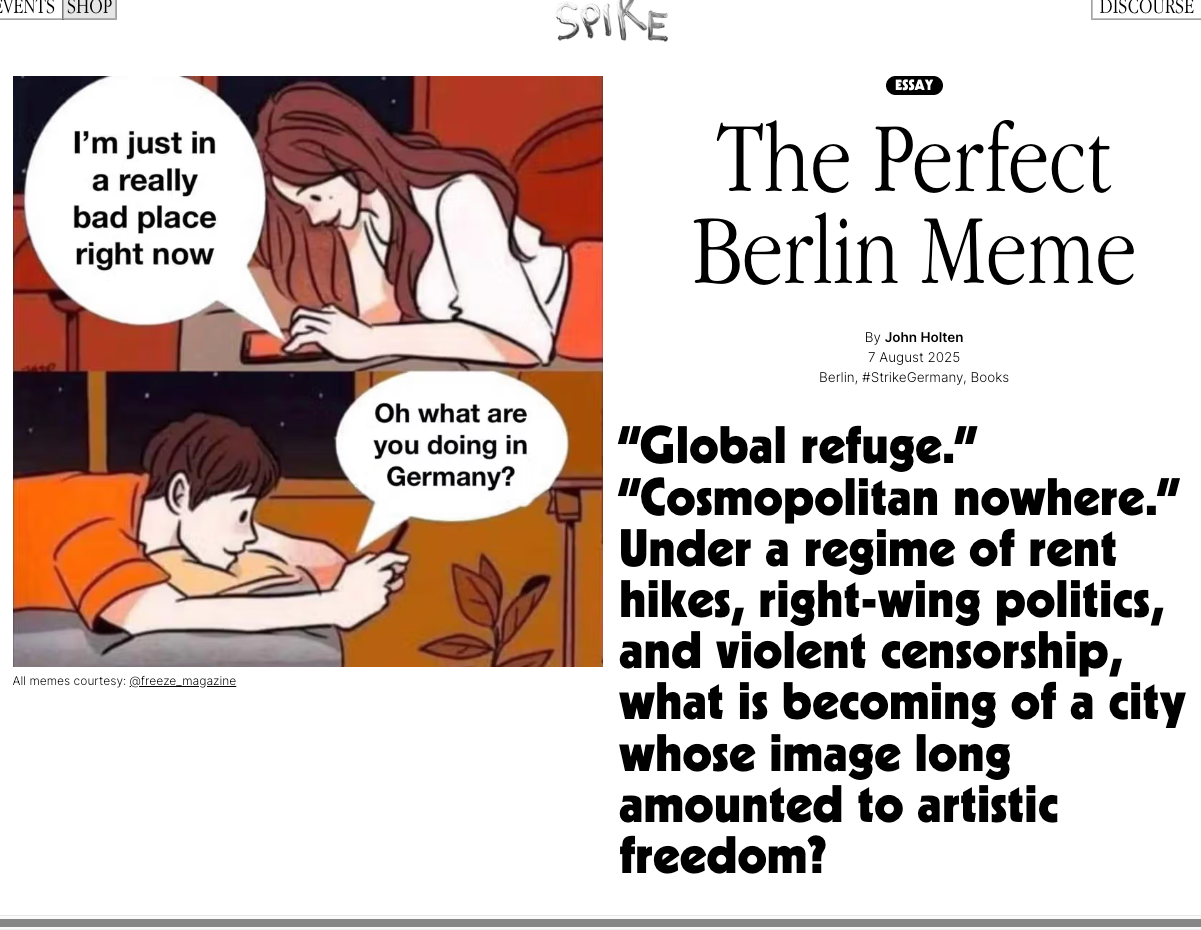
“Global refuge.” “Cosmopolitan nowhere.” Under a regime of rent hikes, right-wing politics, and violent censorship, what is becoming of a city whose image long amounted to artistic freedom?
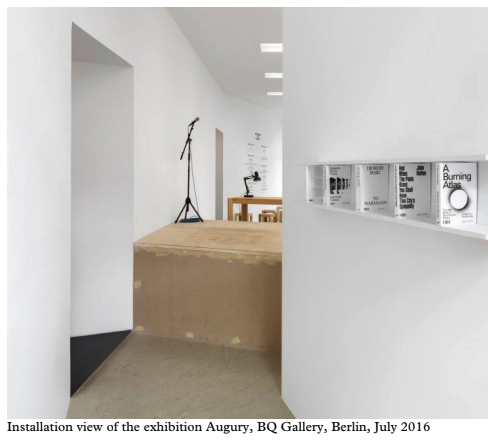
First published as a broadside at BQ and later at Partisan Review
THEORY | LITERATURE | ART
When I think of the future of reading I think of the past, I think of Walter Benjamin or Peter Mandelsund. I think of book covers and how we were always told: don’t judge a book by its cover. But then came a time when books didn’t have covers; then came a time when books were nothing but covers; then came a time, Mallarmé’s time, when everything was in a book and the world itself, that yokel of metaphysics, was its cover. The years came and went, 2008, 2016, 2024. And still, here we are, obdurate, existing ever more.
First published online at Paper Visual Art
ART | THEORY
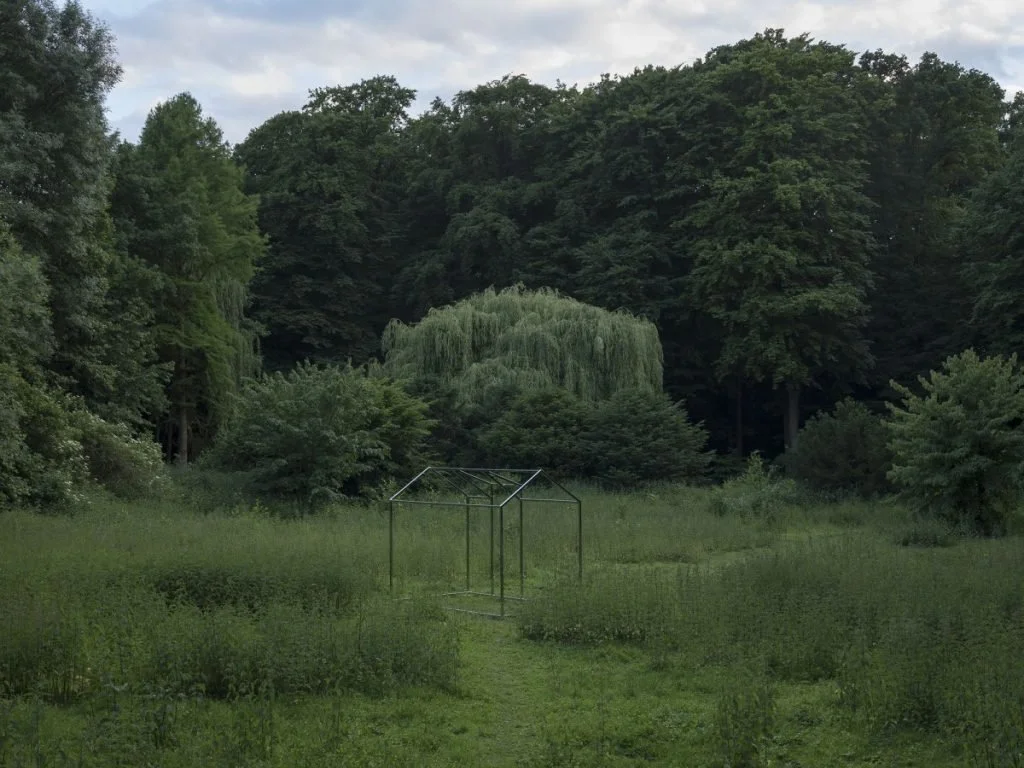
Looking For a Place to Call Home, Skulptur Projekte Münster 2017
When dwelling on the idea of home one tends to think of private space; to parse it further one could almost place home in opposition to public space. So it is surprising, and a sign of success, that co-curators Britta Peters and Marianne Wagner and artistic director, Kasper König, of this decade’s Skulptur Projekte Münster managed to successfully map out the idea of home: past, present, and future.
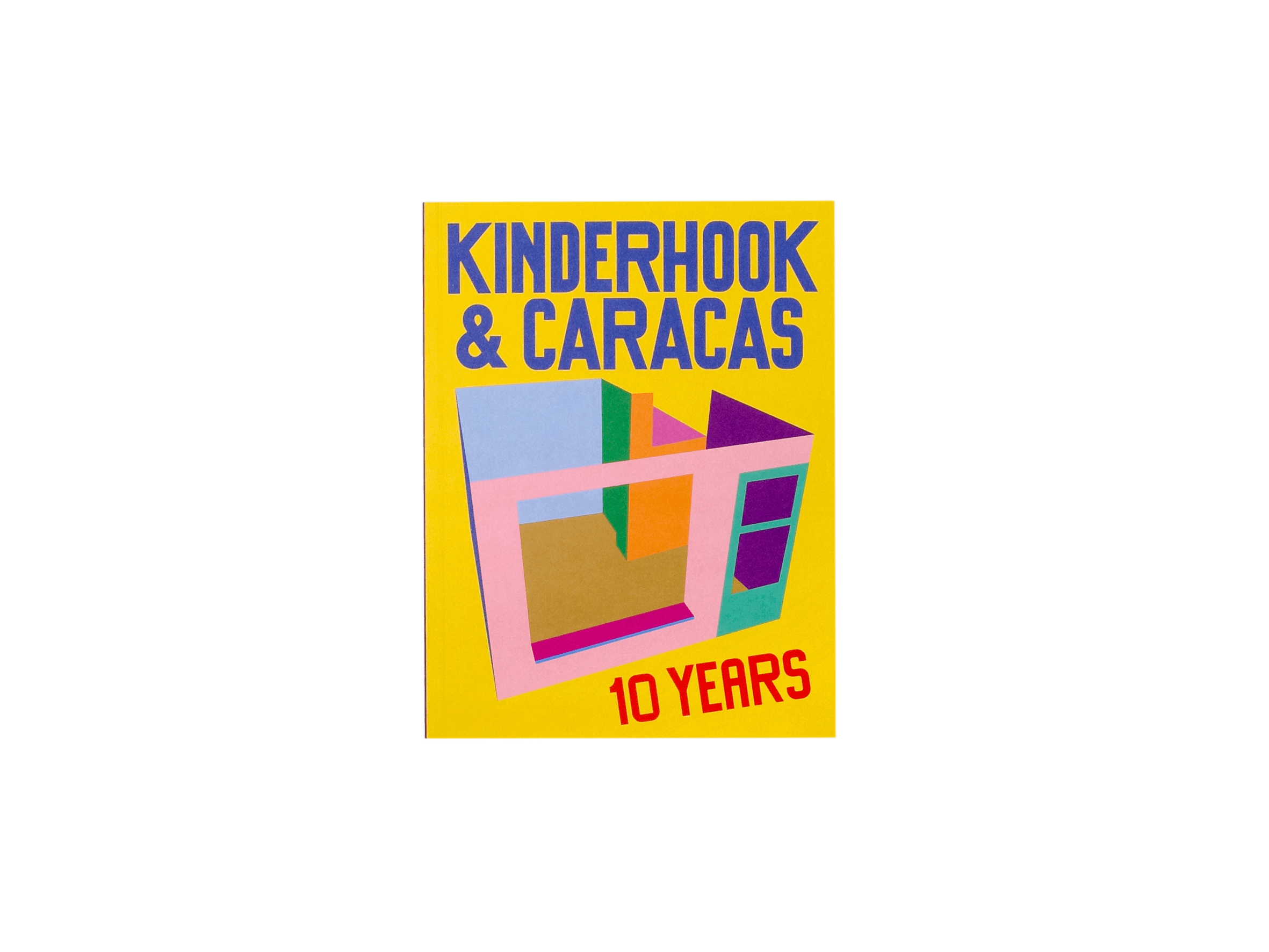
‘The Front Room’ an Introduction to 10 Years of Kinderhook & Caracas 2011-2021
Kinderhook & Caracas, a project space whose name evokes far flung coordinates, is situated along an L-shaped Berlin street that is something of an interface itself, between the districts of Kreuzberg and Schoeneberg, the tracks of the train and a park that has, within the lifespan of the gallery, come into being, a street that once enjoyed a large, extra-urban beer garden that has now been rendered into a new building or three. All of which is to say that the gallery has existed as a conduit in and out of the city of Berlin, while being very much rooted in the city and its visual art ecosystem….
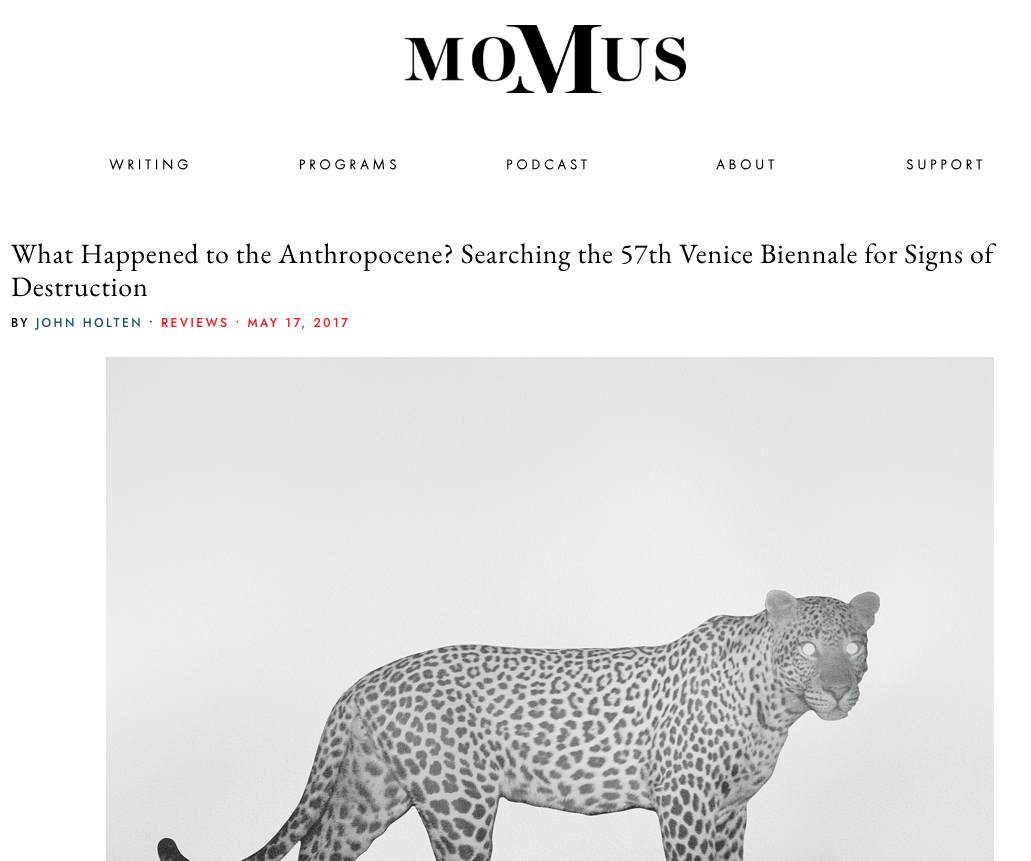
What Happened to the Anthropocene? Searching the 57th Venice Biennale for Signs of Destruction
There’s no greater risk to our species than the one posed by humankind’s impact on the environment. It’s unnerving how familiar this adage has become, and the myriad coping mechanisms we employ upon its utterance. Odd, then, that one similarity between Documenta 14 in Athens and the 57th Venice Biennale is a lack of direct engagement with the age of the anthropocene.